
asian food
Visiting the 20 RMB mountains of Xingping, China and eating beer fish
Having just recently finished my trip to Guangxi, China one of my favorite places that I visited was the small fishing village of Xingping. Xingping is famous for being home to the mountains which are famously sported on China’s 20 RMB yuan note.
We got to Xingping by bus, from the town of Yangshuo (Visited in Paying a visit to the very lame town of Yangshuo, China, one of my recent blog posts) and there was not much to see. A small, quiet village with plenty of people looking to make a few extra kuai off the foreign tourists.

Upon our arrival, I had to pay 2 RMB to use one of the most disgusting toilets I had ever encountered in my entire life. We quickly took a risk and hopped into one of China’s famous three wheeled carriages (Which I also mention in my last post, and is just small motorbike welded to a carriage frame) which slammed up and down and gave me possible brain hemorrhaging the entire ride.

As we got closer to the mountains of Xingping, we passed the Li River which looked very calm in its splendor. A beautiful river, no doubt. We finally arrived at the mountains, and it was worth the long bus ride from Yangshuo!

When we arrived, there were of course plenty of people taking pictures, which we did as well. I was also filming for my travel blogging show (Which is on YouTube, of course) but to be honest, we didn’t stay all that long. Once we had our pictures, it was so hot out, we were pretty much set to go.

After seeing the mountains, we wanted to have some lunch so we went to a local restaurant in Xingping. We ordered some pijiu yu (啤酒魚), which is literally translated as “beer fish” it’s one of this region of China’s local delicacies so I was happy to dig in.
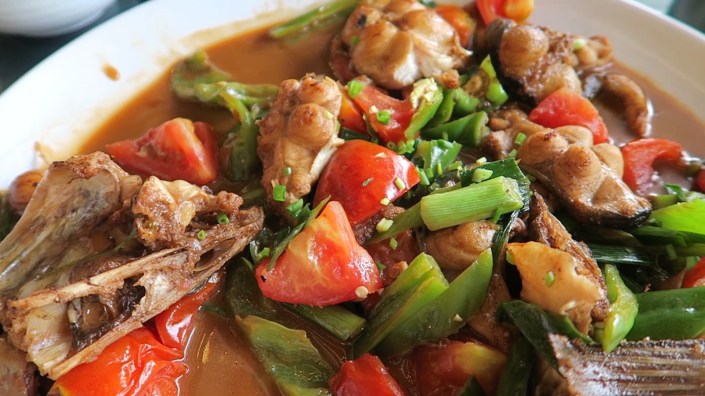
The beer fish was, most definitely, DELICIOUS. If you are curious about how it tastes or what it’s like, be sure to check out my newest episode of my show, Ian’s Journeys, in the YouTube box at the top of this page! See you next week! Let me know what you think in the comments!
Eating Guilin Noodles in Guilin, Guangxi,China
While I was in Guilin, I of course had the opportunity to sample the famous Guilin mifen (桂林米粉) also known as the famous Guilin Noodles. These are rice noodles covered in a sweet gravy broth with a number of different ingredients not limited to ox bone broth and mangosteen in addition to many others. (The recipes vary greatly by restaurant) On top of the noodles green scallions, pickled cabbage and green beans and radishes are usually added on top. There is also a bit of meat in there, usually pork or dog.
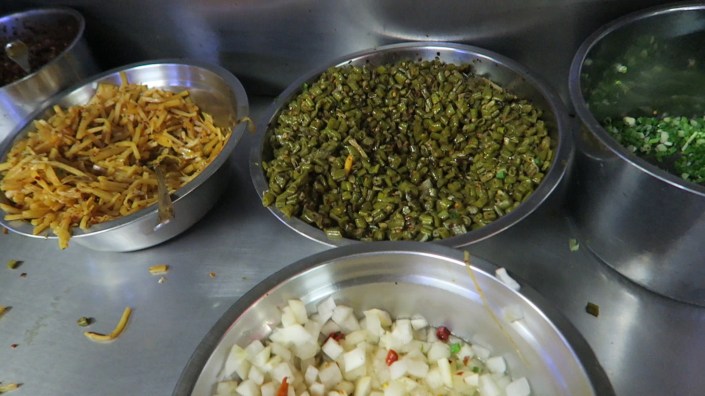
One of the first things I did when I came to Guilin was look for the noodles so I could make that obligatory Guilin noodle video, which is what I did. The noodles were only 4 rmb for the bowl, which is about ~$.60! After covering with all the additional condiments, the noodles look quite pretty and very colorful.
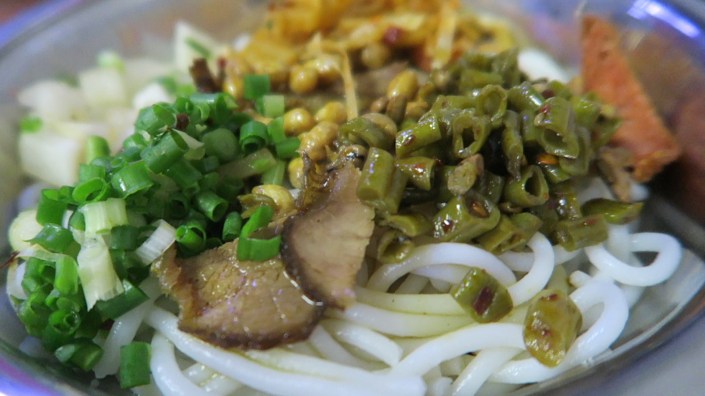
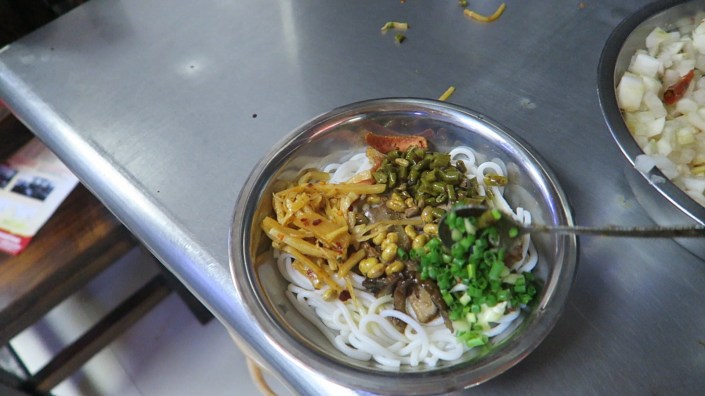
The flavor is immense in these noodles. The peanuts are nice and crunchy and fried and mixes very well with the soft noodles. I love scallions in just about everything, but the pickled radishes and green beans were also tasty! The pork was super fried and had the consistency of something like pork rinds back home, but only the crispiness on the outside, meatiness on the inside. I think the bamboo shoots were probably the best condiment, though. Here’s one more look at them, don’t forget to check out the video I posted about these videos on my YouTube channel above!
Kung Pao Chicken and Ox Tongue: Spicy Sichuan flavor feast!
Living in China affords access to all of the culinary wonders that is Chinese food. China has many provinces and each one has their own special types of cooking. Sichuan food is renowned for being very spicy and that is just like the meal we had today at a traditional Sichuan restaurant located in the Longgang metropolitan area of Shenzhen. It’s located at the corner of Longping W Road and Aixin Road in Longgang.


It is a very beautiful restaurant There’s even a coy pond with fish swimming around! It’s quite a sight. This is some of the delicious food we had:

The first dish we had is what we know of as Kung Pao Chicken back home, or 宫保鸡丁. This is chicken meat along with peanuts, dried chiles, and leeks fried in a high heat wok covered in a sweet and spicy sauce. This dish is absolute heaven. A lot of Chinese dishes have bones but this is the few that actually use pure chicken meat with no bones. The meat was soft and moist and literally falls apart in your mouth. The leeks give a nice onion essence and the chiles give it some serious heat. This dish is actually one of my favorite Chinese dishes ever, hands down. The next dish we had was a bit different, but still spicy as hell!
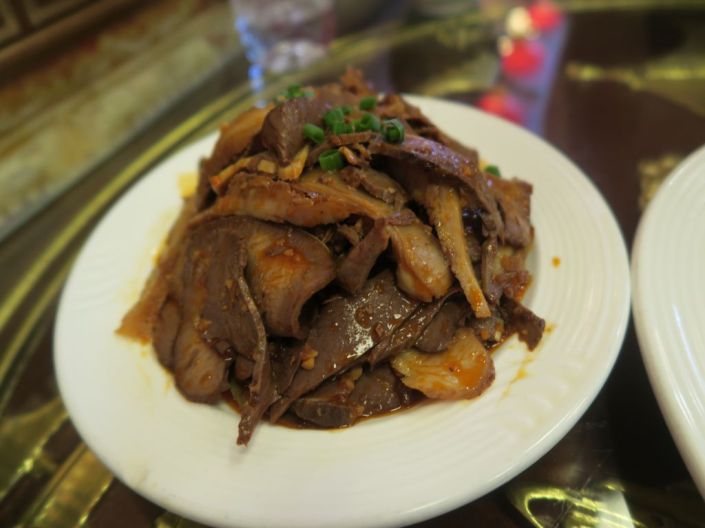
So this dish is called Fu Qi Fei Pian (夫妻肺片) which is sliced beef with ox tongue over a spicy chili sauce. This dish was served cold, but it sure is spicy hot! The tongue is nice and chewy which I really like and reminds me of tripe. It’s covered in a citrus style spicy chili sauce that compliments our other dish very well. Coupling a bite of tongue with the thinly sliced beef is a match made in heaven as you have chewiness mixed with moist tender beef.
So from tomorrow for the next week I will be traveling to Guilin from Shenzhen by sleeper train (It’s about a 13 hour train ride and I will be exploring much of that beautiful area! My blog probably won’t be updated for at least one full week, but when I get back, expect lots of interesting new Asia content! Don’t forget to check out this week’s Sichuan food meal, below:
Enjoying beef hotpot in Huizhou with LaoWhy86
This last weekend I took a trip out to Huizhou – a Tier 2 city in China that is just about a one hour bus ride from Shenzhen. I went there to meet my friend C-Milk, or more commonly known as LaoWhy86 on YouTube. We met at Huizhou’s finest beef hotpot restaurant for some drinks and a meal. The result was some delicious food, crazy Chinese baijiu and good times.
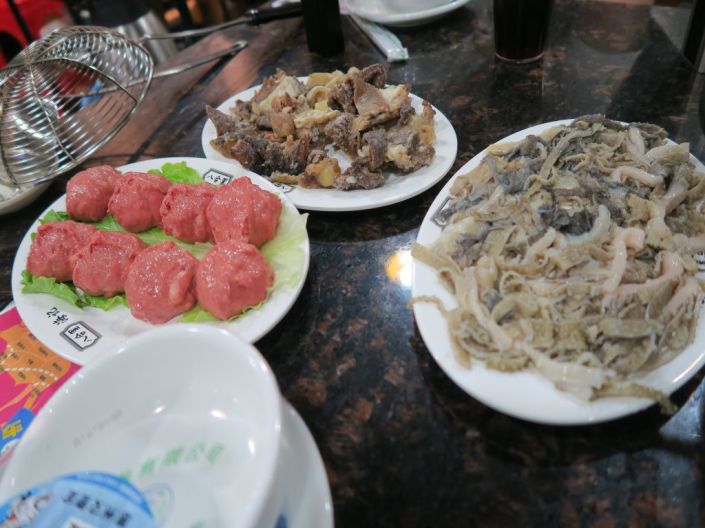
Pictured above are a few of the things that went inside our hotpot. This restaurant is well known for it’s beef and how they make their beef meatballs. Instead of grinding the meat in a grinder, they actually pound the meat for a continuous amount of time without actually cutting it, to make the meatballs. The meat is delicious, juicy, tender, and I found it to be bouncy and different than a western meatball.

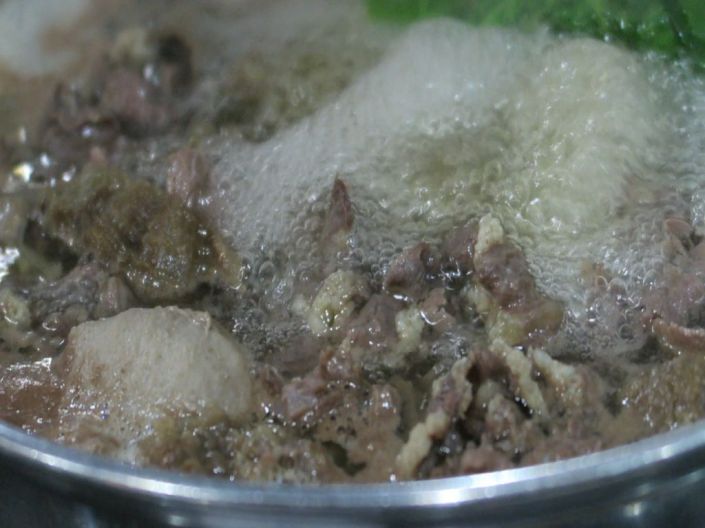
If you aren’t familiar with hotpot (火锅), I’ll fill you in a bit on how it works. There is a large pot of broth in the middle of the table (On top of a hotplate) that is generally filled with spices, vegetables, raw meats, chile peppers, etc and cooked until done. Once it’s done, you just take what you want out of the pot, dip it in your dipping sauce, and you are eating like a king. Hotpot is a little different than other styles of eating because you must cook your food first, but sometimes waiting for it makes it taste even better. Here’s a nice picture of mouth watering beef simmering in our hotpot.
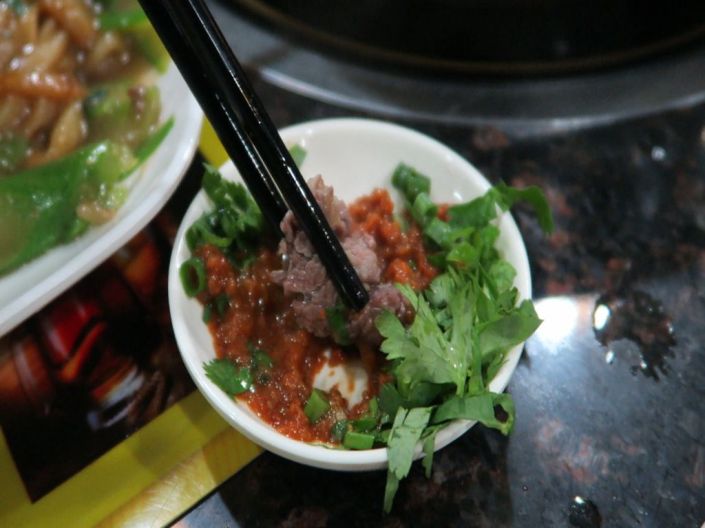
Now the dipping sauce was something out of this world, or so it seemed literally so! When I dipped my first strip of beef into this delicious dipping sauce, I was immediately reminded of a spicy mexican blended salsa. I tasted elements of tomato, cilantro and definitely some chile peppers!
We also ordered some incredibly delicious beef noodles (炒牛肉河粉) that tasted surprisingly creamy. It seemed to be covered in a sauce that reminded me a lot of western gravy, the style that you would put on top of mashed potatoes. It was a little different, but the noodles were sweet and delicious and the beef was nice and tender.
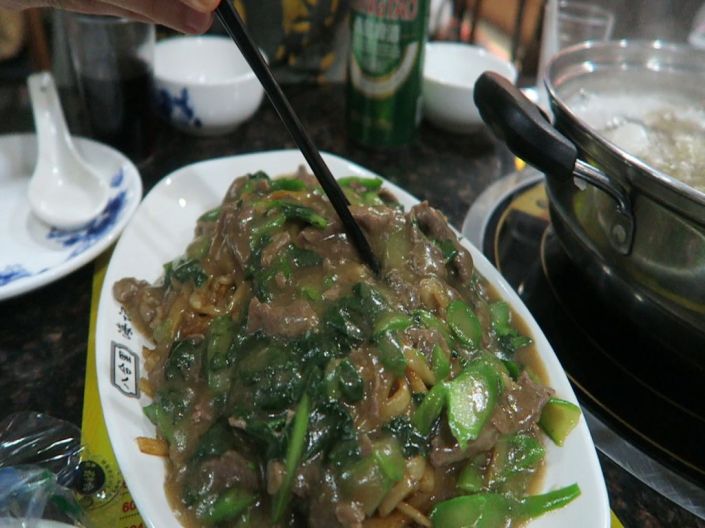
After a few drinks or ten of wine/beer/baijiu, we went back to my friends house for some arm wrestling. It was a good time to say the least!


Make sure to check out my video from this evening – I think you have to see the video to understand the scope of our experience! Don’t forget to check out my channel on YouTube and subscribe if you like the material!
Eating some late night Chinese Barbecue in Shenzhen
One of the coolest things about China is how vibrant things can be late at night. Of course, it depends what part of the city you’re in but in most parts, there is usually a late night area with street barbecue that runs into the late hours of the night, sometimes as late as 3-5 AM! It was about midnight last night when we developed some strong barbecue cravings, so we decided to head down to one of our local barbecue spots at Dafen here in the city of Shenzhen. Chinese saokao (烧烤, or barbecue) is absolutely delicious, and I intend to show you just how delicious! First, have a peek at some of the things we had to eat that night:
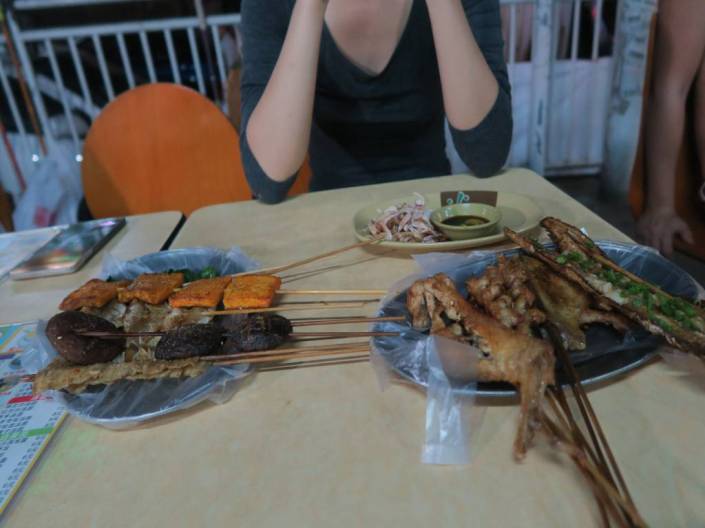
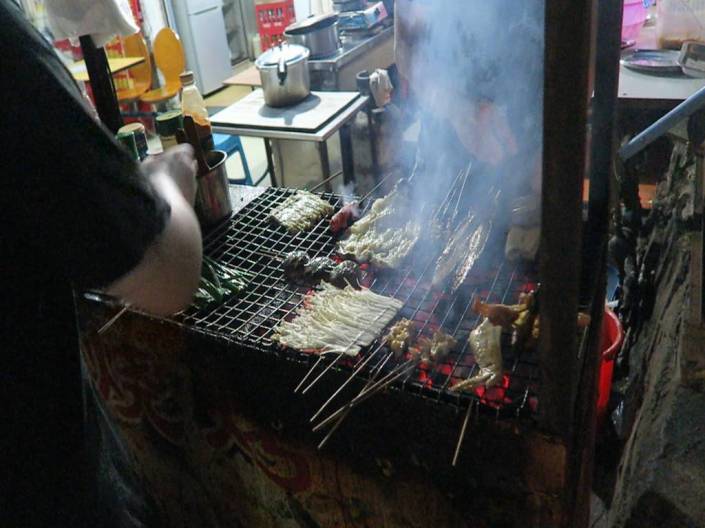
We went to our local barbecue spot (In truth, it was our first time going there since we moved to this new part of town) and checked out what they were offering. We stacked up everything in the basket and gave it to the laoban, and watched them cook it.
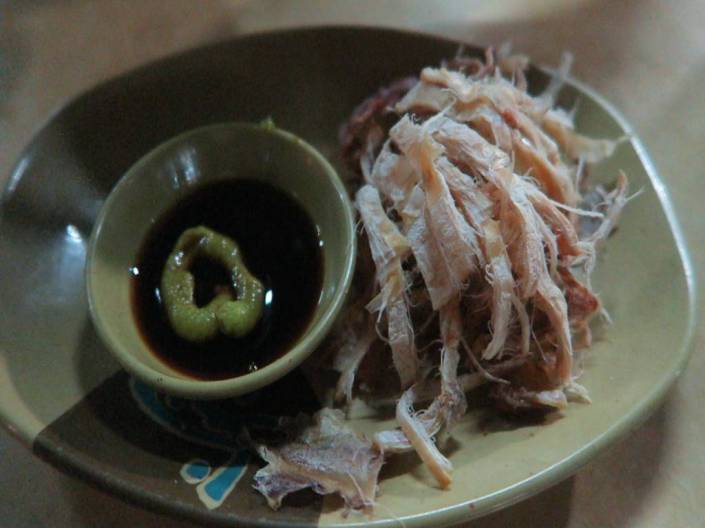
The first thing to sample was an appetizer. We had ordered some dried squid with wasabi and soy sauce, known as youyu (鱿鱼). This had the consistency of something like beef jerky, but with a seafood flavor. When you dip it in the wasabi and soy sauce together, it has a real kick to your nostrils!
The first two things I had tried were the enoki mushrooms (金针菇) and shiitake mushrooms (香菇). I love all shrooms, as they help you to see life clearly! Barbecued mushrooms are no exception, especially when they are topped with special lajiao. After that came tofu (豆腐)that is covered in some kind of spicy orange sauce and also barbecued. Very delicious – much tastier than plain old tofu, that’s for sure! Following the tofu was some spring onions (韭菜) that were delightfully tasty and flavorful. Of course they were covered in oil and barbecued, so they tasted much better than raw!
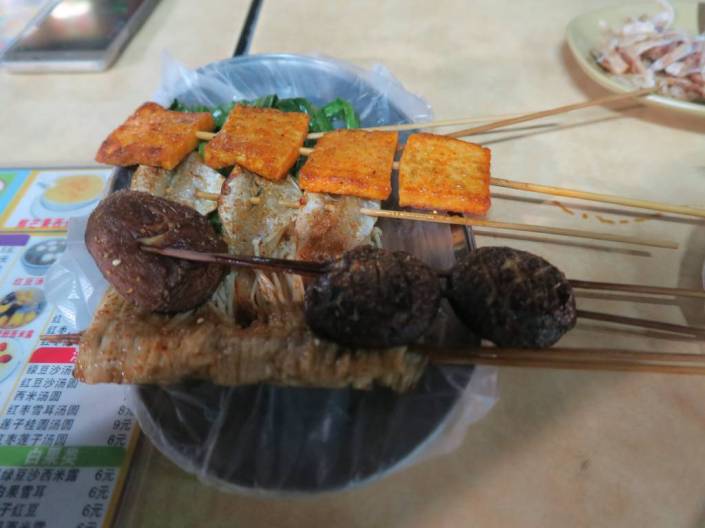
Next up was some koi fish (开心鱼). Now I really had no idea what exactly this skewer was when I saw it. I thought it might be dried shrimp that was barbecued. When we got home and looked it up, I was surprised to find out that it was in fact koi fish.
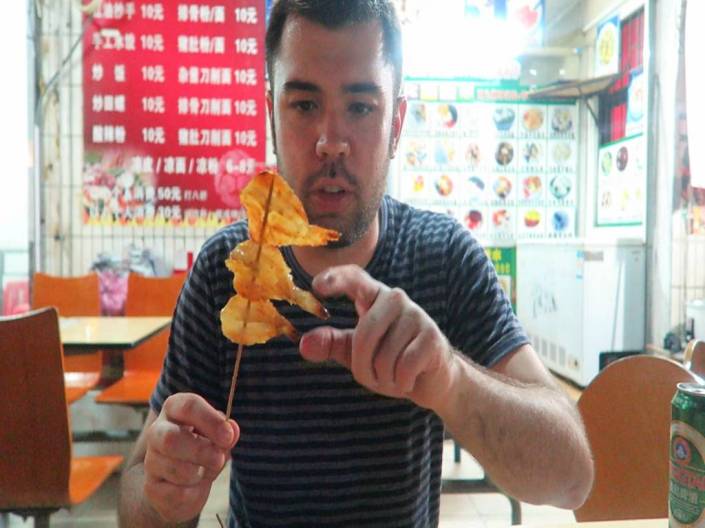
Upon trying this dish, it reminded me a lot more of fish jerky than anything. Overall a nice fishy flavor with that dried chewiness that we so love in jerky.
The last couple dishes were chicken and fish. The chicken (鸡腿) was fantastic. The meat was nice and juicy and tender, some of the skin was crispy, and the lajiao had my mouth on fire at the same time. The fish, which we found out was actually called Ribbonfish (I had thought it was just mackerel) was the best dish of the night, however. The skin was very crispy, the fish meat was pleasant and soft, and the best part is they took out the bones. I rarely eat fish in China because of the strong presence of bones – which I hate! Any Chinese fish dish where the bones are removed is worth 5 stars to me!


Above are the chicken and fish dishes – click the pictures for a bigger view! That was all we ate that night, and my was it good! The total for the bill came out to 62 RMB, or $9.48 USD! What a steal! Check out the video of this Chinese barbecue adventure on my YouTube channel, below! Please subscribe if you enjoy the content! What do you think of Chinese barbecue? Do you enjoy it? Please let me know in the comments!
Eating baozi (包子) and skateboarding in China
This morning I went down the street near the metro station at Dafen to grab some baozi and jump on my skateboard for the first time in a VERY long time. I talked about baozi already before in my first blog post, “What’s for breakfast in China?” but I wanted to take a video for this post, so I thought I would bring them back. Also the first baozi article I did was on beef baozi, and today they were pork!
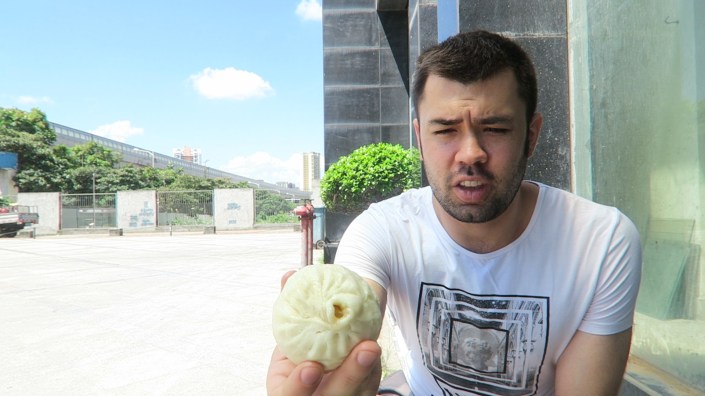
The baozi is a very traditional and one of the most common things that Chinese people eat for breakfast. This particular baozi was full of stuffed pork (Which was fatty and greasy, which is a little heavy for the morning but that’s why you don’t eat too many!) and also some cabbage, if I recall correctly. 1 of these baozi only cost 1 RMB, or $.15 USD so my breakfast only cost $.30 since I had two. That baozi was more than enough fuel to give me the energy I needed to pull off a few skateboarding tricks.
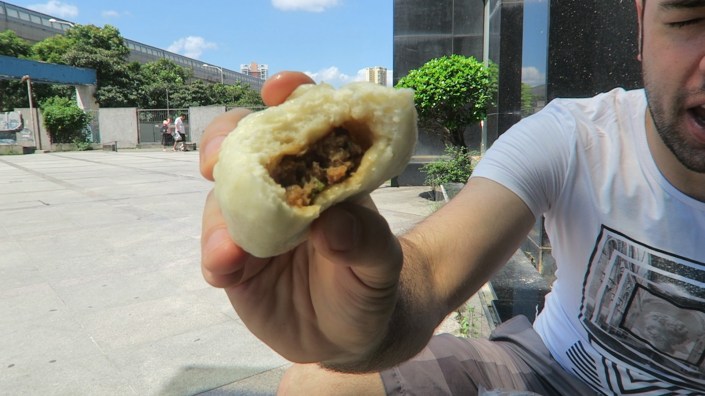
As I proceeded to bite into the delicious baozi, something insane happened. The fatty pork juices dripped out, and nearly landed on my shorts! Luckily I was quick enough to recover, only having to explain to the camera what had happened with my mouth open and simultaneously full of baozi. A baozi stain is no fun – I assure you and I am happy I avoided it. Those juices however, are delicious so I highly recommend taking a more full bite and making sure you get the juice with it! After finishing those delicious baozi, it was time for some skateboarding. I used to skate a lot in my younger years (13-20 years old) but pretty much stopped shortly after high school. However, it’s still fun to roll around and do some tricks sometimes!

An enjoyable morning it was, though hot! By the time I was done skating, I was absolutely drenched in sweat. Nevertheless, please be sure to check out the breakfast video from this morning, which also comes with a little bit of skateboarding attached! What do you think of baozi? Let me know in the comments!
Eating fried noodles in Shenzhen!
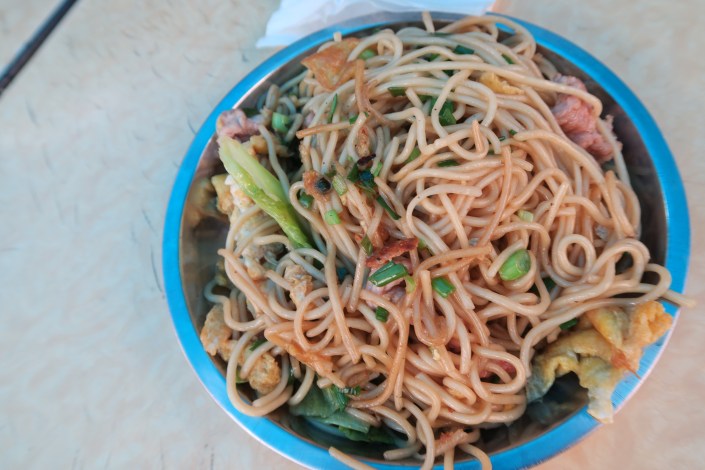
Today I went to another local laoban that we frequent to order some pidan zhou – Which I have already written about in this blog before, a few weeks ago. Unfortunately they were sold out of the zhou, so we had some chaomian (炒面) instead. Chaomian are high heat wok fried noodles with eggs, pork, and vegetables added along with some spices.
These people are very nice and we frequent their establishment at least a few times a week. Today I asked if we could film them cooking and if they would do a little quick sit down interview with us. They agreed.

Chaomian can be hit or miss in China. I have had great chaomian, and totally lousy chaomian. Of course you can guess that this particularly lady does the chaomian just the way I like them – with 2 eggs, pork, and vegetables added. The end result is an absolutely delicious dish you would very rarely find back home in America, and no, Panda Express does not cut it. Check out the video below to see the cooking, tasting and interview with the laoban.
Walking around Laojie’s (Dongmen) food street in Shenzhen
Last night was epic! We took the MTR train from Dafen to Laojie (8 stops, about a 15 minute ride) which is home to some of the best shopping and food in Shenzhen. For my YouTube video channel I made a video sampling a few foods, and touring around the area.
Laojie is a beautiful place. Lots of beautiful women, amazing street barbecue and other foods, what could be sweeter? After getting off at exit D with a couple friends I met up with my girlfriend and we started walking around. I apologize for the low quality pictures, I was filming most of the time and I completely spaced out on taking some high res photos! These are all video grabs from this week’s video:
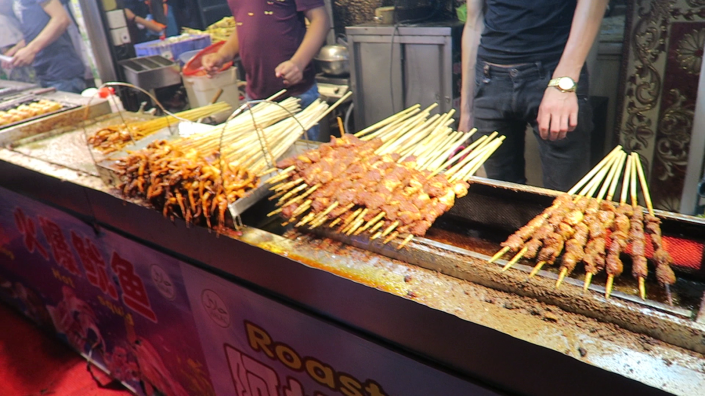

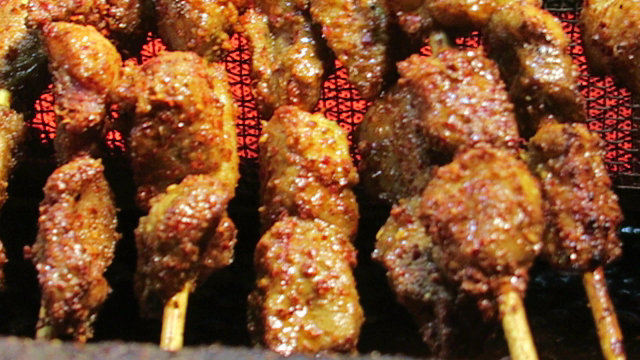
I hadn’t been to the food street that many times so we got lost for a couple minutes, but we found it pretty quickly. While walking there, we ran into an outside barbecue that was serving up youyu ( 鱿鱼 , squid), and yangrou (羊肉, lamb). We couldn’t resist the temptation and we all got a few skewers. The barbecue is well priced, too. You can get 4 skewers of squid for 10RMB ($1.50 USD) or 2 skewers of lamb for the same price. The squid was nice and chewy not overcooked, with lots of spices added. The lamb was delicious and fatty, and for me that’s great because I love animal fat. (Not in excess, of course!)
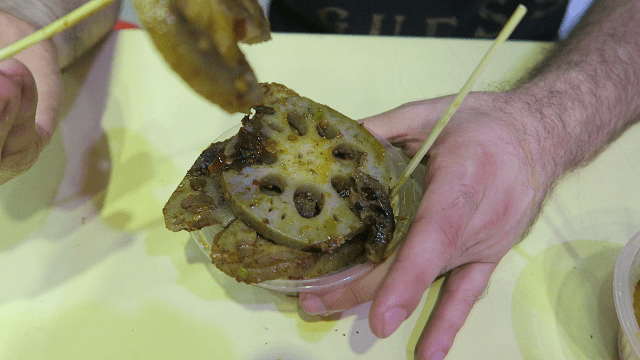
After devouring our skewers, we headed off to the food street. We got there around 9:45 which is pretty late for laojie. Although it is very easy to find street barbecue going until 3-4 in the morning in Shenzhen, Laojie is a bit of a different case. Around 10:00 it appeared that lots of vendors were starting to close down, but lots of people were still serving until we left (Around 10:45) I bought some lotus root (藕片) and some potatoes. There isn’t much to say about the potatoes except that these ones were actually a little bit overcooked (These were leftover at the end of the night) but still pretty tasty. However, they were a bit too salty. The lotus however was very good. Lotus has a really interesting texture and it is probably the crunchiest vegetable I have ever eaten. It’s somewhat comparable to the crunchiness of an apple.
After walking around a bit more and having some delicious leng mian (Cold noodles, 冷面 ) we decided to take the train home since it was early enough (The train stops around 11:30 and it was only around 10:45) and called it a night. Please check out the video of the food crawl below, and if you like it please feel free to subscribe to my channel 🙂
Chongqing noodles: Spicy and delicious!
Today while walking around Dafen my girlfriend Maggie and I stumbled upon a restaurant from Chongqing, a city about 1500 kilometers northwest of Shenzhen. The laoban was serving Authentic Chongqing noodles so we decided to have a try. I ordered ma la xiao mian (麻辣小面, pungent and spicy noodles) and Maggie ordered paigu xiao mian (排骨小面, pork rib spicy noodles)
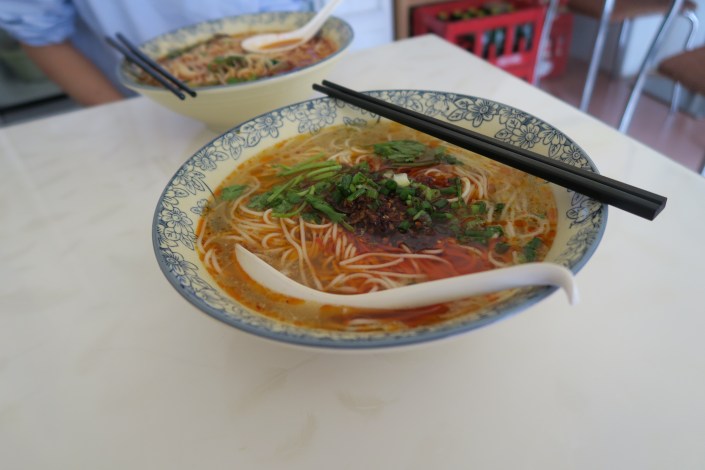
The laoban was a very nice guy. He allowed us to film him cooking the noodles and even sat down with us and had a quick chat. In the video, he boils the noodles and adds them to the soup broth. He then adds a number of things. He adds some chili powder, lajiao, a little more broth, green onions and cilantro. Maggie ordered paigu which has meat in it, so he added some pork ribs to the dish as well.
Upon trying these noodles for the first time, here are my thoughts. The noodles were not too chewy, which I really like, very easy to eat. The sauce and dish overall is pretty spicy. You can taste a lot of chili oil in there and the bite you get from the lajiao is not a normal spicy. It has almost a citrusy sour flavor to it. It sort of reminds me of hot pot, but it’s not really the same thing. The greens (green onions and cilantro) do a lot to enhance the look and flavor of this dish as well.
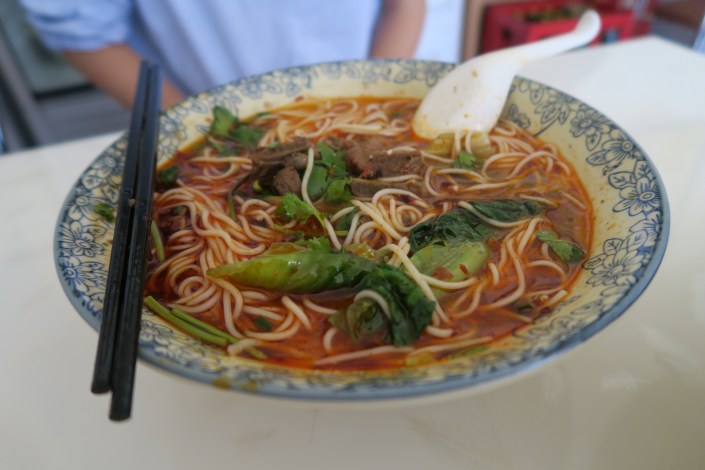
That’s all for today’s entry but be sure to check out the video for this afternoon’s lunch on my YouTube channel:
Enjoying pork noodles in Dafen, Shenzhen
It’s been a rainy week here in the city, though I have been enjoying it. Today is a Saturday in Shenzhen. Overloaded rush hour metros, muggy transitioning-summer weather and odd smog patterns.
Today I was in such a rush I went without a breakfast. I even went without a lunch. It was a busy, busy day in China but at some point I managed to get myself out of the house for a meal. I went no farther than 120 meters from my door for a very typical all-meal-dish I know of as “zhu za tang fen ” or pork noodles, 猪杂汤粉.
What you have in this dish could be a number of different kinds of Chinese noodles (rice, flour etc), boiled with pork meat (undoubtedly some bones for extra flavor) and lean meat at that.
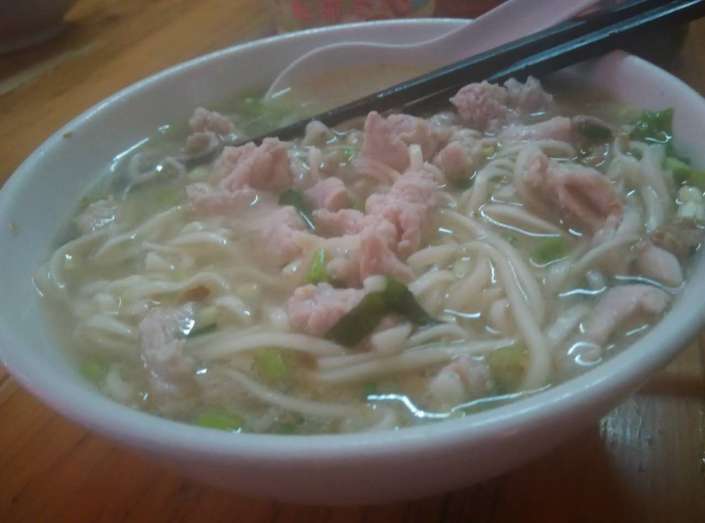
Also included are green onions, possibly some cilantro, and of course on option a dash of lajiao! (Chinese hot sauce, 朱杂汤粉)

Of course, taking the first bite is always the best part. There is nothing better than a bowl of protein packed, spicy meaty noodles.


So let’s talk about what we are looking at here in terms of taste and value. The cost for each bowl of noodles (I had a friend with me) was 20¥ for the pair. Let me confirm on that ambiguous figure. It was 10¥ for 1 bowl. That is ~$1.70 a bowl. That is about ~$3.50 US for a meal for two people. Shockingly cheap, refreshingly tasty! So we know the value is great, what about the taste? I can tell you that it is excellent and you would have a VERY difficult time finding something for even 2 or 3 times the cost of here. What you get when you get a bit of everything is (Meaning noodle, meat, and broth) an incredibly cheap yet flavorful experience. Zhu mian is a very common dish in China, very affordable, and very delicious. I consider it relatively healthy because it’s not fatty pork meat, and the noodles are not fried and the nutrients coming from bone-broth are numerous. In fact, it’s so good you end up with a picture like this:
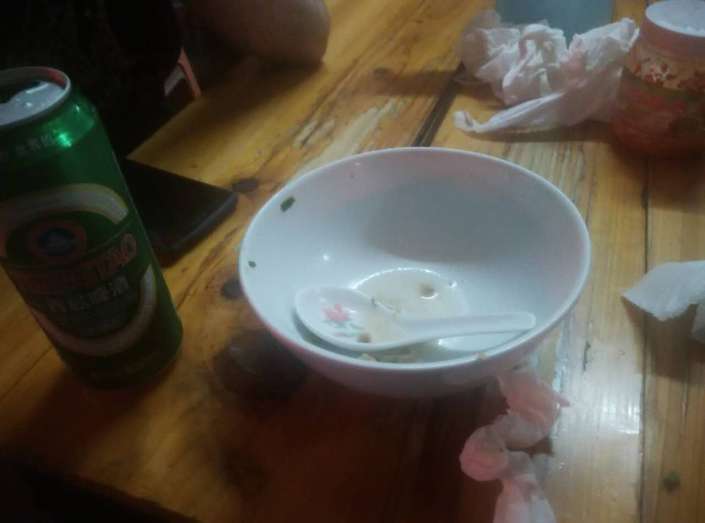
On a Saturday evening, I couldn’t be more satisfied to have a thrifty meal in China. Weekends are often times very tempting to go out and spend a lot of money on a fancy western meal, but if you are willing to stay in the Chinese cuisine, dinner can be very cheap.
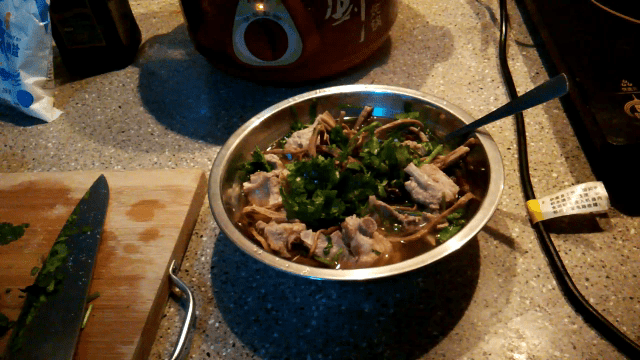
I’ll close this evening’s post with a similar recipe to tonight’s dinner: zhu zha tang fen, pork noodles with cilantro and mushrooms, or 排骨蘑菇汤 which is a recipe on my YouTube channel.
 Ian in China - Living in China content, Asia food and travel videos!